Level 3 — Becoming a Better Trader
Trading psychology
5 minute read
Break the emotional loop
Illustrative example · not live data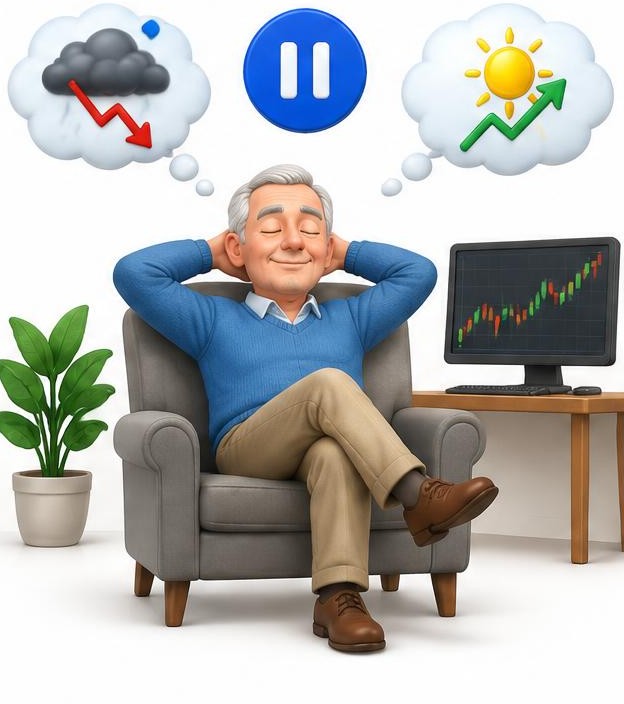
A loss or fear of missing out
Pause instead of reacting
Review the written plan
The hardest part of trading isn't reading charts — it's managing yourself. Fear and greed cause most trading losses, not bad analysis.
Common traps: FOMO (buying after a big rise because you fear missing out — usually near the top), revenge trading (rushing into a new trade to win back a loss), and holding losers too long because selling means admitting a mistake.
Good traders are boring. They decide their entry, stop and target before entering, then follow the plan regardless of how they feel. The plan is made with a clear head; feelings mid-trade are almost always wrong.
Practical defences: risk small amounts (fear shrinks when the money at stake doesn't matter to you), keep a journal of every trade and why you took it, and take breaks after losses.
Key points to remember
- Fear and greed cause most losses
- FOMO and revenge trading are the classic traps
- Plan the trade, then follow the plan
- Small positions keep emotions small